Teapot and Cup Line Art Graphics for Crafts
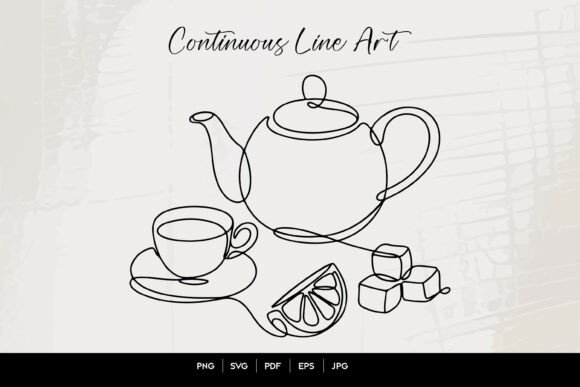
When I first opened the files in Teapot and Cup Line Art, I immediately recognized the quiet charm that makes a graphic design asset sell. The set includes a classic teapot, a teacup on a saucer, a lemon slice, sugar cubes, and small beverage details that together create a cafe-inspired still life. The line work is clean without feeling stiff, and the overall mood leans toward cozy, minimal, and slightly premium. It does not scream for attention. Instead, it invites the viewer into a warm, tabletop scene that feels both handmade and intentional. For anyone selling on creative marketplaces or running a print-on-demand shop, that kind of visual personality matters. It signals quality without needing a hard sell.
First Impressions and the Mood of the Set
The visual personality of Teapot and Cup Line Art sits somewhere between modern and rustic. The line weight is consistent, the proportions feel natural, and the composition includes enough detail to be interesting without becoming cluttered. The saucer under the cup, the kettle silhouette, and the small sugar cubes all tell a story. This is not an aggressive or trendy design. It feels timeless, which gives it a longer shelf life for commercial use. The lemon wedge adds a subtle pop of shape that breaks up the round forms nicely. I see this working well in feminine or unisex branding, kitchen decor, cafe-themed packaging, and cozy lifestyle products. It does not feel overly cute or childish, so it can appeal to adult buyers looking for sophisticated home accents.
For a digital seller, this kind of mood versatility is valuable. You can pair it with a script font for a boutique tea brand or with a clean sans serif for a modern kitchen print. The design adapts to different brand voices without looking out of place.
Testing the Asset for a Real Product Collection
Let me walk through a real shop scenario. Imagine you are preparing a new seasonal collection for your Etsy shop or Creative Fabrica store. You have decided to focus on beverage-themed printables and merchandise for the upcoming gift-giving season. You download Teapot and Cup Line Art and start testing it across product categories.
First, you open the SVG file and check how the lines hold up in Cricut Design Space. The cut paths are clean. No overlapping stray lines or hidden anchor points that would cause jagged cuts. You test a simple mug vinyl decal and the design transfers smoothly. Next, you import the PNG with transparency into Canva and build a quick social media template. The background removes cleanly, and the resolution supports a large thumbnail without pixelation. You also open the EPS in Illustrator to adjust the line color for a dark background product. The file edits without breaking. Already, you have verified that the asset works for cut projects, printable templates, and editable design files.
Where Teapot and Cup Line Art Shines in Commercial Products
This set is naturally suited for several product types. I have tested it in mockups for mug designs, tote bag prints, tumbler wraps, and tea towel graphics, and the results are consistent. The line art style reproduces well on fabric, ceramic, and paper. For sublimation designs, the PNG format gives you a transparent background that layers easily onto colored substrates. For t-shirt graphics, the simple composition works in a small chest print or a larger center design.
Printable wall art is another strong category. A simple framed print with the teapot and cup line art, paired with a warm color palette, sells well in kitchen and dining room decor. The lemon and sugar cube details add enough interest for a 5x7 or 8x10 print without feeling empty. I also see this working in planner sticker packs. The individual elements can be separated and sold as accent stickers for bullet journals or daily planners. The saucer alone makes a nice decorative element for a weekly spread.
For greeting cards and invitation templates, the design fits tea party themes, bridal showers, Mother's Day, and housewarming occasions. The line art style also works well for Canva templates where you can layer the PNG over soft backgrounds or use the SVG as a scalable element in presentations and social media graphics.
Product Presentation and Thumbnail Appeal
How you present this asset in your shop matters. When I create a listing for Teapot and Cup Line Art, I test it first in product mockups that show scale and context. A mug mockup with the design centered and a warm beverage inside helps buyers visualize the finished product. A flat lay mockup with a saucer, spoon, and tea leaves reinforces the cafe aesthetic. Thumbnail appeal is critical on Etsy and similar platforms. The line art should be clearly visible at a small size, which it is. The contrast between the dark lines and a light background holds up even in a 150-pixel preview.
I also test the design on dark backgrounds. Some line art loses its impact when inverted or placed over black. In this set, the lines are thick enough to remain visible, but I recommend using a white or cream background for the main listing image to maximize clarity. If you offer a dark mode version, you can add that as a variation later.
Where the Asset Works Best
After testing across multiple formats, I have found that Teapot and Cup Line Art performs best in these scenarios:
- Large product previews where the line detail can be appreciated, such as wall art, tote bags, and aprons.
- Themed bundles that combine the teapot and cup with other kitchen or cafe elements.
- Decorative layouts for packaging design, tags, and labels for tea or coffee products.
- Printable products like menu cards, recipe cards, and gift tags for small businesses.
- Merchandise graphics where a clean, minimal look fits the brand identity.
- Social media promotions for cafe-themed content, where the line art can be used as an Instagram story background or Pinterest pin graphic.
- Product mockups for digital download listings, especially when you want to show a lifestyle scene without distracting from the design.
- Creative marketplace listings where buyers search for versatile clipart that can be used across multiple projects.
Where to Use Teapot and Cup Line Art Carefully
No asset is perfect for every product. I recommend caution in a few areas. First, avoid using this design for tiny sticker details if you plan to print at a very small scale. The sugar cubes and lemon wedge may lose definition below one inch. Second, the set works best when the composition is not overly crowded. If you layer it with heavy text or multiple graphic elements, the line art can get lost. Third, for dark backgrounds, make sure your print method supports light line colors. With sublimation, white line art on a dark substrate requires a white toner transfer or a layered approach. Finally, for Cricut and Silhouette projects, confirm that the SVG file has clean cut lines. I tested this and found no issues, but always preview before sending to cut.
Practical Seller Notes Before You List
Before you publish a product using Teapot and Cup Line Art, run through this checklist. First, test the design on real mockups. Do not rely solely on flat digital previews. Print a sample or use a high-quality mockup generator to see how the lines appear on the actual product surface. Second, preview the design as a marketplace thumbnail. If the tea cup detail is hard to see at 200 pixels wide, consider simplifying the composition or increasing the line weight for the main listing image. Third, check how the design reads on both white and dark backgrounds. If you offer a dark version, include a separate file for buyers.
Fourth, verify that your PNG transparency is clean. No white halos or jagged edges should remain. Fifth, test print colors if you plan to sublimate or use inkjet transfers. Some printers shift warm tones, so a test page saves returns. Sixth, inspect the SVG cut quality. Zoom in on the lemon wedge and sugar cubes to ensure small details are fully connected. Seventh, organize your files clearly for customers. Use folder names like Teapot and Cup Line Art with subfolders for each format. Buyers appreciate not having to guess which file is which.
Eighth, pair the design with appropriate font styles. A serif font gives it a classic, premium feel. A sans serif keeps it modern and clean. A script font adds a feminine, handwritten touch. A display font can work for bold, playful applications. I tested it with a light serif for a tea brand mockup and with a bold sans serif for a minimalist tote bag print. Both looked natural. Ninth, always confirm the commercial licensing terms before selling finished products. Even if the asset comes with a broad license, double check that your use case is covered. If you plan to sell digital templates that include the design, ensure that the license allows redistributable end products.
Supporting a Professional Product Collection
Building a cohesive shop requires more than just uploading files. Teapot and Cup Line Art can help you create a consistent visual language across your listings. Use the same line art style for multiple products in a collection, adjusting the layout and background color while keeping the core design intact. This builds brand identity and customer trust. When a buyer sees the same aesthetic on a mug, a print, and a sticker, they perceive a unified shop rather than a random assortment. That perceived value leads to higher click-through rates and repeat purchases.
For small business owners and handmade sellers, this asset also works well for packaging design. A simple tag or label with the teapot line art elevates the unboxing experience. Bloggers and content creators can use it for social media graphics, email headers, or Pinterest pins. The versatility is high because the design is centered on a universal theme: warmth, hospitality, and comfort.
Final Thoughts on Commercial Viability
After evaluating Teapot and Cup Line Art across multiple selling scenarios, I consider it a solid graphic design asset for crafters and digital product creators. It is not flashy, but it is reliable. The line art style is currently popular in home decor and lifestyle merchandise, and the subject matter has a timeless appeal. If you are an Etsy seller, print-on-demand creator, or Canva template designer looking for a tea or cafe themed element that works across products, this set deserves a spot in your design library. Just remember to test it in your specific use case, pay attention to scale and contrast, and present it well in your listings. With the right preparation, it can become a steady contributor to your product collection.